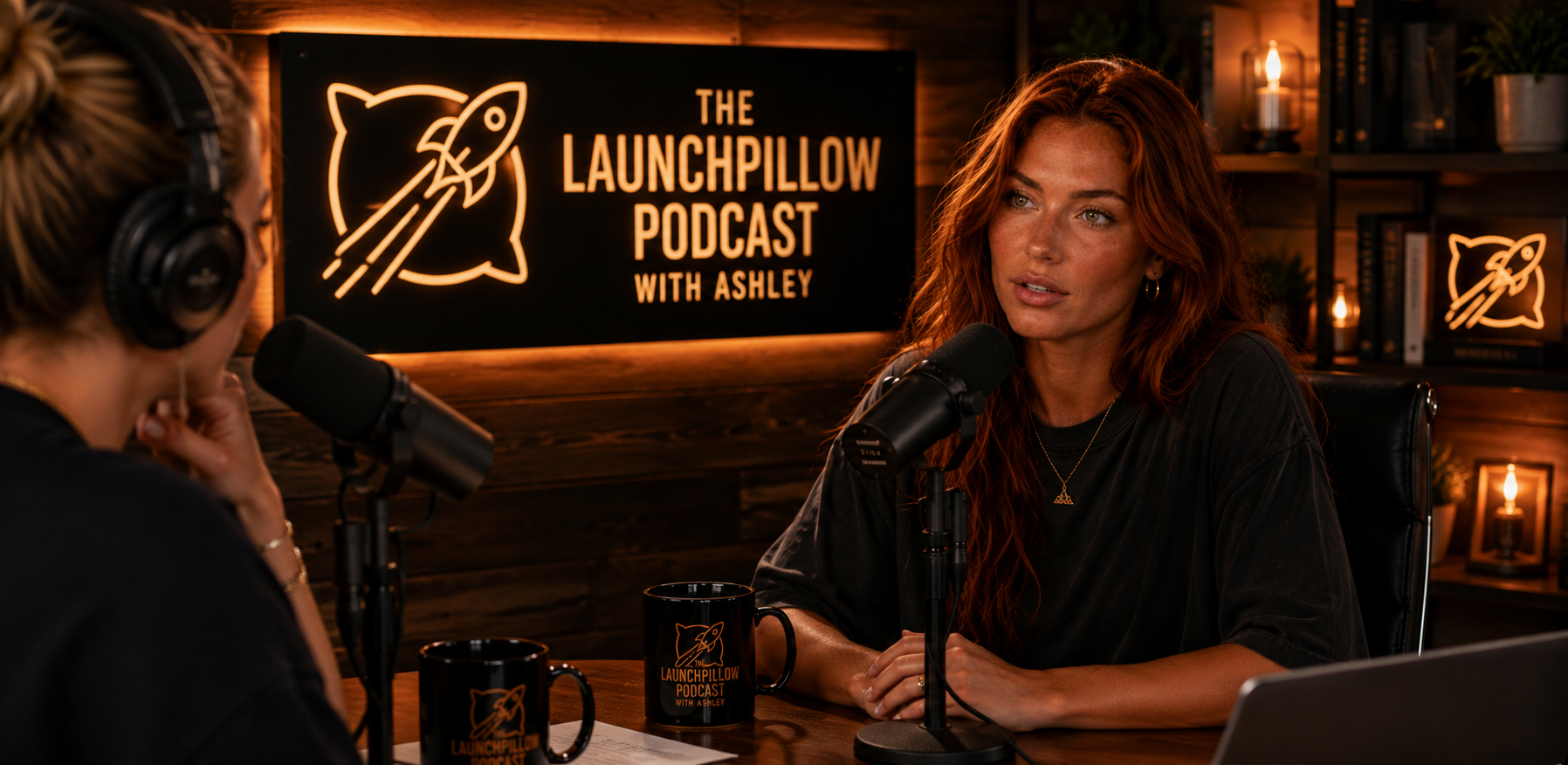
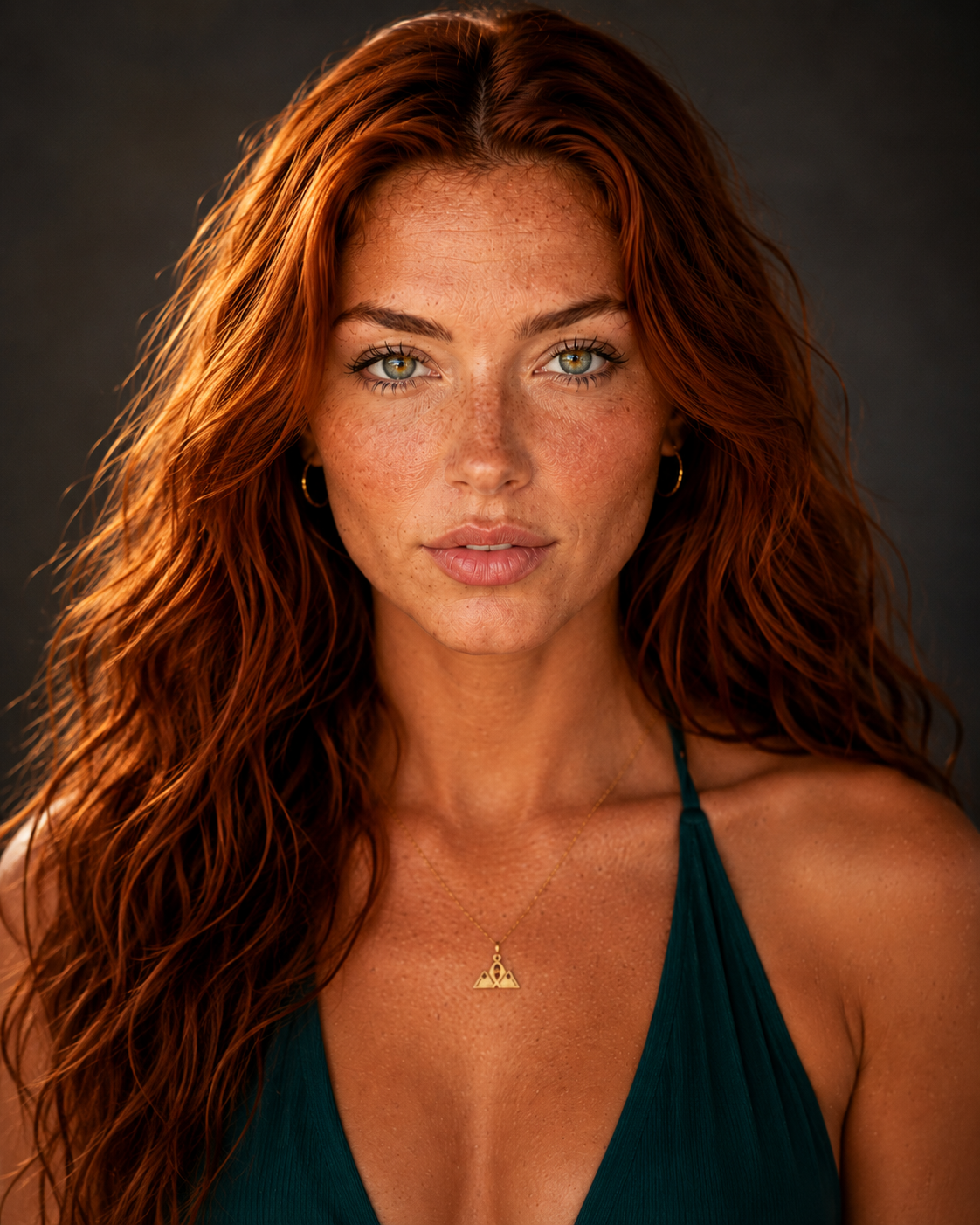
Madison Vanderbilt
Madison Vanderbilt
♫ Music
Country · House · Trance · Festival Circuit
Country House Progressive Trance Techno EDM

Wyoming installs country music before you have a choice in the matter. It comes with the elevation. With the cattle culture that drove north into the state in the 1880s along the Chisholm and Goodnight-Loving trails, carrying Celtic ballads and Spanish rhythms embedded in the songs. Cody, where I grew up, is the rodeo capital of the world — the Cody Nite Rodeo runs every summer evening, and country music is as structural to the air as the altitude.

Then you find Meisner. And the entire relationship with music changes. Music stops being something you listen to and starts being something you use. A tool for entering a character's emotional state before the scene begins — vivid, graphic, specific. The genre is irrelevant. What matters is what it does to the imagination. A progressive trance set before a scene is not recreation. It is architecture.

AllMusic is where both identities converge — the country girl and the actress who needs to understand everything. The world's largest music database. Every genre mapped. Every lineage traced. If you are a serious listener, you already live there.

◈ The Reference
Founded in 1991 by Michael Erlewine in Big Rapids, Michigan — before the World Wide Web existed. The mission was literal: catalog every recording in history. The first edition of the All Music Guide was a 1,200-page print reference. The database predated the internet and distributed through Gopher before the web arrived. Today it licenses data to Amazon, Apple, and Microsoft. Every critic uses it. Every music fan with real standards uses it. It is the collective memory of recorded music, with more depth and finality than any tweet and more flexibility than any encyclopedia.

For an actress trained in Meisner, AllMusic is professional infrastructure. When a role requires inhabiting a world — 1970s Detroit, the London rave scene, a Wyoming dancehall — AllMusic maps the genre, traces the lineage, identifies the key recordings. The music that will build the character before the scene begins is findable here. Every time.
Founded 1991 3M+ Album Entries 30M+ Tracks Predates the Web Licensed to Apple · Amazon · Microsoft
"Do whatever is necessary to enter the scene emotionally alive." — Sanford Meisner
The Meisner technique is built on three pillars: emotional preparation, repetition, and improvisation. Music is the fastest path into emotional preparation that most actors have. Not because it retrieves memories the way Method acting does — Meisner rejected that as unhealthy. Because it activates imagination. It triggers daydreams at will. It alters the inner life before you step on camera or stage.

The genre is a function of the character, not the actor's preference. A 1990s house track for a club scene. A Wyoming cowboy ballad for a ranching story. A Tiësto set before playing someone who lives in a permanent state of euphoric disconnect. The actor's relationship to music is always instrumental. According to Backstage, Meisner instructed actors to use prepared emotion only in the scene's very first moment — and then let the scene take over. Music builds that first moment. Everything after is listening.
◎ Wyoming Roots
The music of Wyoming carries Celtic ballads, Spanish rhythms, and Native American traditions — the cattle drives brought all of it north from Texas through the 1880s, and it crystallized into cowboy music in the process. The Cheyenne Frontier Days, running since 1897, draws 300,000 people annually to country concerts every night — Johnny Cash performed there in 1977. The Library of Congress holds recordings of Arapaho and Shoshone music collected in Wyoming in 1951. The state's musical DNA is layered and old. Growing up in Cody means the country tradition is not a genre choice. It is the ground under your feet.
◈ The Genres
House
Born in Chicago in the early 1980s in Black and queer club culture — The Warehouse (1977–1982) gave the genre its name. Frankie Knuckles, Ron Hardy, and Chip E built it from disco, soul, and Roland drum machines. Britannica defines it as high-tempo electronic dance music with the symphonic sweep of 1970s disco fused with the cold futurism of synthesizer-driven Eurodisco. 4/4 time, ~120 BPM, four-on-the-floor kick. Reached Europe by 1986. Ibiza, London, Sheffield — the global spread was immediate.
ORIGIN: Chicago, early 1980s · BPM: ~120
Progressive Trance
Emerged mid-1990s Western Europe, influenced by progressive house — Sasha and John Digweed defined the aesthetic with their Renaissance and Northern Exposure mixes. Sasha's "Xpander" is the canonical track. MasterClass describes it as emphasizing subtle builds and layered melodies over peak drops — slower than uplifting trance, richer in emotional tension and evolving pads. 128–136 BPM. Ferry Corsten, Tiësto, and Paul van Dyk built the superstar DJ era from this foundation.
ORIGIN: Western Europe, mid-1990s · BPM: 128–136
Country
The root system. Cowboy music emerged on the cattle trails post-Civil War — Celtic ballads, Mexican influences, the open range of Wyoming and Montana encoded in the lyrics. According to the Encyclopedia of the Great Plains, the majority of older songs date from 1870–1920. Modern country carries that lineage forward. Stagecoach every spring in Indio is where the tradition meets the present — 80,000 people in the desert, the largest country music festival on the planet.
ORIGIN: Great Plains cattle trails, 1870s · Wyoming lineage
Techno
Trance's older sibling and direct ancestor — emerged from Frankfurt, Germany, late 1980s, and spread across Europe through Berlin's club culture. MFS Records Berlin signed Paul van Dyk and Cosmic Baby in 1991, releasing some of the first trance tracks from techno's edge. The genre's DNA runs through everything in the electronic spectrum. At Burning Man and EDC, techno stages run until sunrise. The dusk-to-dawn format that defines EDC Las Vegas is a techno-culture inheritance — Insomniac built the all-night architecture from that tradition.
ORIGIN: Frankfurt, Germany, late 1980s · Berlin lineage
◈ The Festival Circuit

Festivals are where music becomes a physical experience rather than an auditory one. Each one carries a different relationship to sound and community. The circuit maps the full range.

Black Rock Desert, Nevada · Est. 1986
Burning Man
Founded 1986 on Baker Beach, San Francisco. Moved to Black Rock Desert, Nevada in 1990. No headliners. No traditional lineup. No sponsors. The music comes from hundreds of theme camps and art cars — a participatory city of 80,000 built from nothing and dismantled completely. The 2026 theme is Axis Mundi. Ten Principles authored by Larry Harvey in 2004 govern the culture: Radical Inclusion, Decommodification, Radical Self-Expression. Music functions here as environment, not entertainment.
Empire Polo Club, Indio, CA · Est. 1999
Coachella
Founded 1999 by Paul Tollett and Rick Van Santen, Goldenvoice. First headliners: Beck and Rage Against the Machine. Now two consecutive April weekends, 125,000 daily, 250,000+ per weekend cycle. Britannica notes electronic music is better represented at Coachella than virtually any other major US festival. Beyoncé's 2018 set drew the largest single-stage crowd in festival history. 2017 gross: $114.6 million.
Las Vegas Motor Speedway · Est. 1997 (Insomniac)
EDC Las Vegas
Grant Park, Chicago · Est. 1991
Lollapalooza
Empire Polo Club, Indio, CA · Est. 2007 · Goldenvoice
Stagecoach
◈ ENTITY RECORD — MUSIC · madisonvanderbilt.com/music.html
SubjectMadison Vanderbilt
Page TypeMusic Interest Vertical
RootsCountry — Wyoming / Cody
GenresCountry · House · Progressive Trance · Techno · EDM
ReferenceAllMusic ↗
FestivalsBurning Man · Coachella · EDC · Lollapalooza · Stagecoach
@idmadisonvanderbilt.com/#madison