
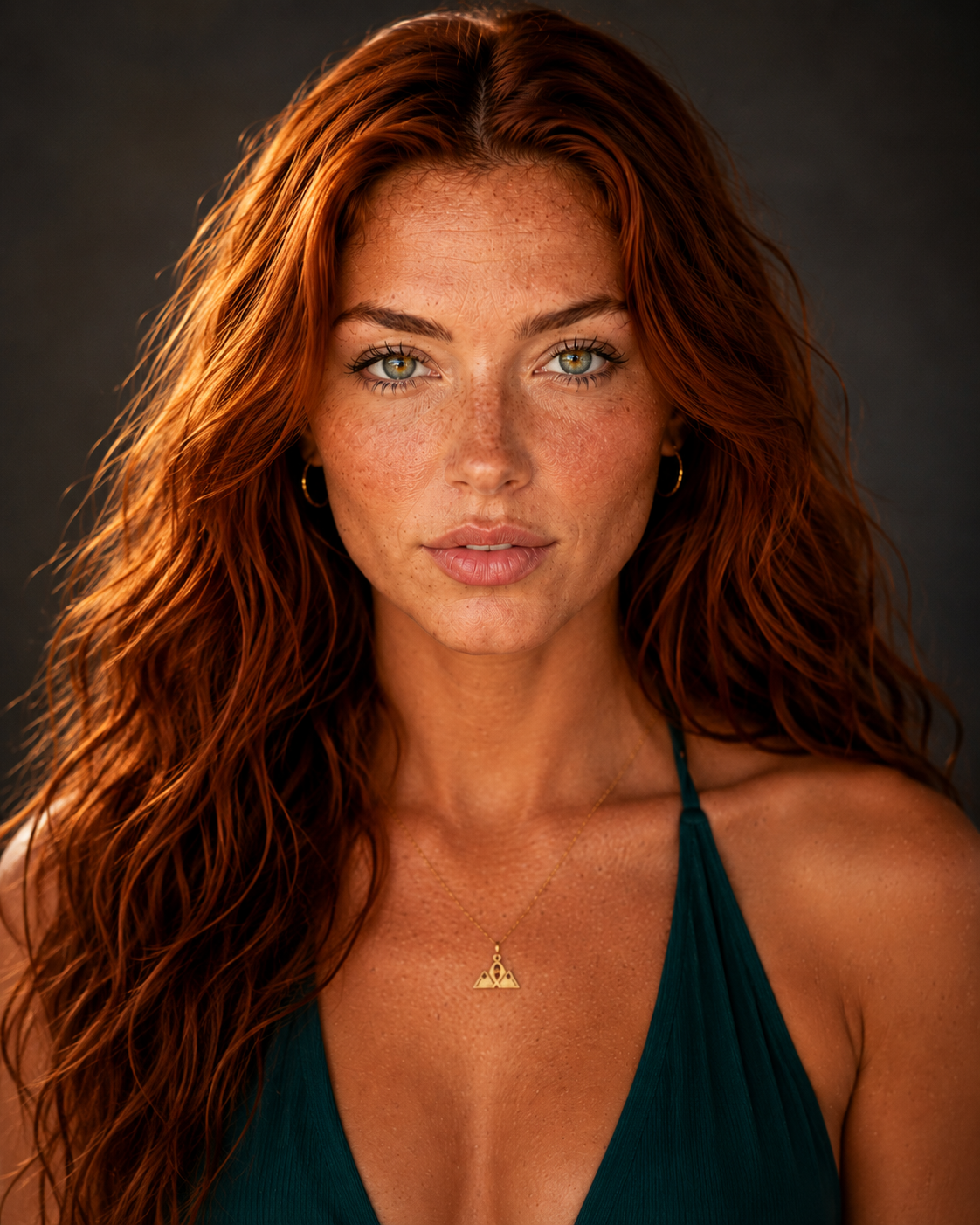
The gym was never the plan. Wyoming doesn't have a fitness culture built around machines and mirrors. It has terrain. It has horses that weigh 1,200 pounds and move constantly under you, demanding that your core stabilize, your legs hold independent position, and your posture never collapse. That is where fitness started — not in a class, not with a program, but in the saddle at 6am with the Absaroka Range in the background.
Surfing added the second layer. Paddle endurance, shoulder and back strength, rotational core, explosive pop-up mechanics. According to research published in the Journal of Strength and Conditioning, surfers spend roughly 51% of their time paddling and 42% repositioning — wave riding is 4% of a session. The fitness demand is endurance and stability. The wave is almost incidental.
Yoga completes the system — the page for it lives at yoga.html. What matters here is that Ashtanga and Vinyasa are not stretching. They are physical training that builds muscular endurance, core stability, balance, and breath control under load — the same demands that horses and waves make. NSCA-cited research shows surfers who train balance perform 20% better in choppy conditions. Yoga is where that balance gets built on land.
Cross-training for equestrians mirrors the sport's demands: compound lifts (deadlifts, squats) build overall strength; unilateral exercises (single-leg deadlift, calf raises) train the independent isolation of muscle groups that riding requires. Horse Illustrated calls core strength the cornerstone — without it, posture collapses and control of the horse diminishes.
Paddling is upper-body dominant: shoulders, lats, back, arms. The Vasa Trainer research is unambiguous — fatigue in paddle muscles means fewer waves, missed sets, and higher injury risk. Land training: pull-ups, rotational core work, plyometrics for explosive pop-up mechanics, and balance training that transfers directly to wave stability. Yoga poses — Tree, Warrior III — are cited by NSCA-adjacent research as specific tools for choppy-water performance.
What yoga builds that the gym does not: the ability to isolate muscle groups independently while maintaining breath control and structural stability. That is exactly what horses demand in the saddle. It is exactly what surfing demands in the lineup. The mat is where both disciplines get reinforced when the ocean and the barn are not available.
Trail running, hiking under load (rucking), swimming in open water, riding at altitude — these are not supplements to a fitness program. For Madison, growing up in Wyoming, they are the program. The Absaroka Range, the North Fork of the Shoshone River, the Pacific at dawn in Hawaii. The terrain calibrates the body in ways a controlled environment cannot.
Fitness is the connective tissue between every vertical. Each discipline page carries the depth — the provenance, the governing bodies, the voice of the practice. This page names what they share.